The transition from college to career feels like standing at the edge of a vast new landscape—exciting, daunting, and full of possibilities. As you toss your cap and gown aside, words of inspiration for college graduate can act as quiet compasses, guiding moments of doubt. These aren’t just motivational quotes; they’re practical tools to anchor resilience when job applications go unanswered or side hustles stumble. Let’s explore how simple, deliberate language can shape your mindset this year.
Why Words Matter When You’re Just Starting Out
Before diving into specific phrases, understand this: words shape reality. Neuroscience shows that repeating affirmations literally rewires neural pathways, priming your brain for action. When you’re fresh out of school, surrounded by uncertainty, a well-chosen word can interrupt anxiety loops. Think of it as mental hygiene—daily exposure to phrases that reflect your aspirations builds what psychologists call self-efficacy. This isn’t fluffy advice; it’s a strategy used by entrepreneurs and athletes to maintain focus during ambiguous times.
Starting with Simple, Empowering Words
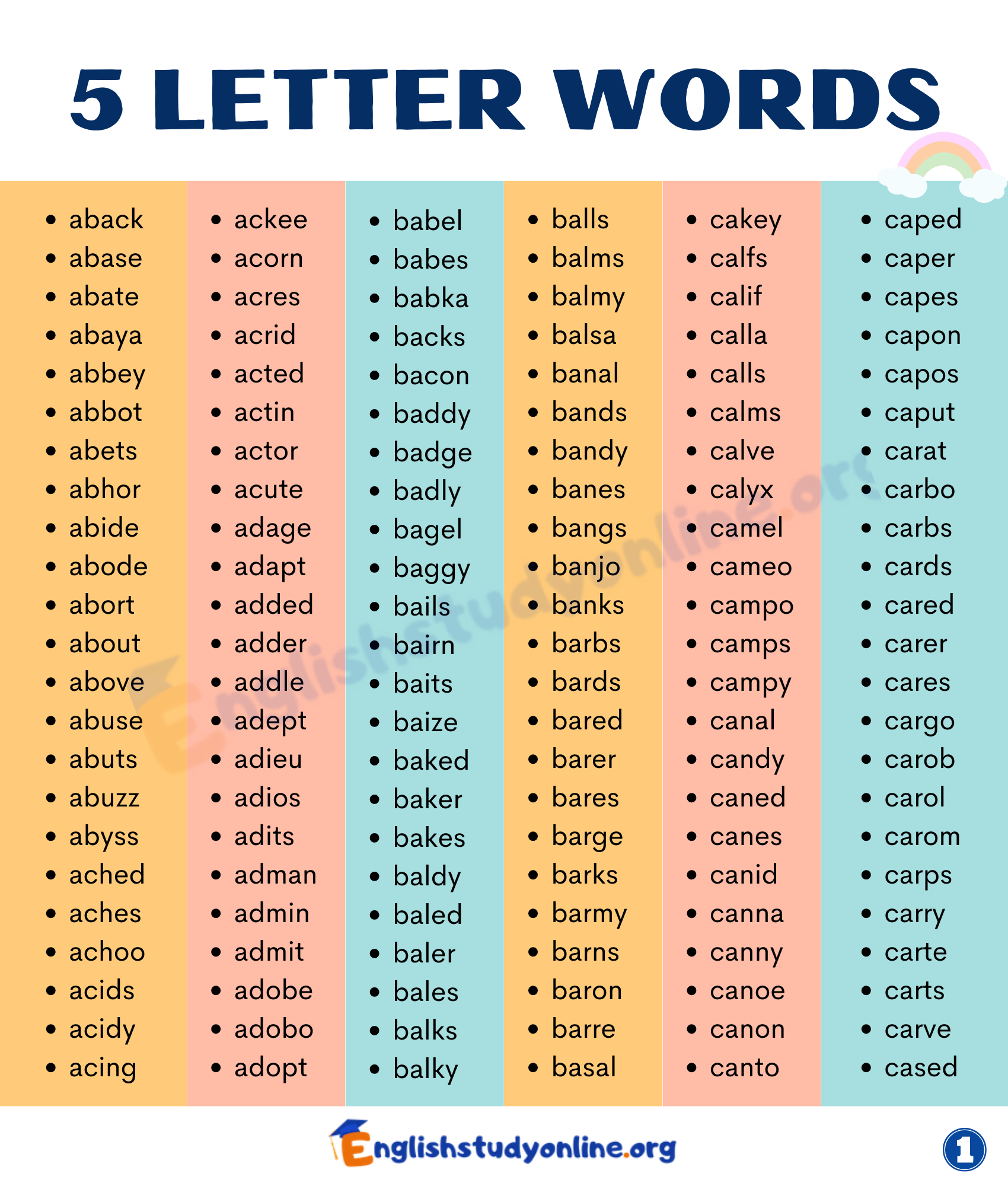
Complexity can wait. Right now, embrace brevity. Words like “persevere” (just five letters) or “adapt” carry disproportionate weight. Choose one to write in your journal every morning for a week. When you stumble—say, during a tricky networking event or a delayed paycheck—these single words become instant resets. They’re sticky enough to remember, powerful enough to redirect your thinking from “I can’t” to “I’ll try differently.”
Building Confidence Through Common Words

Familiarity breeds comfort. Pull from lists of the 3,000 most common English words—the same ones that helped you ace standardized tests—and repurpose them for your new chapter. Words like “practice,” “collaborate,” and “evolve” ground you in everyday resilience. They’re not flashy, but they mirror the iterative growth of your final semester. For example, if you’re adjusting to remote work, replace “failure” with “iteration” in your self-talk. Language shifts perception.
Creating Your Personal Mantra—A Step-by-Step Guide
- Select 3–5 words that reflect your core values this year (e.g., “integrity,” “flexibility,” “curiosity”).
- Test them aloud. If they feel awkward or hollow, remix them until they spark a physical reaction—like a fist bump to yourself.
- Anchor them to actions. Pair “audacity” with pitching that bold idea, or “patience” with waiting out a slow project timeline.
- Track their impact. Note when these words surface during high-pressure moments. Did “grit” help you finish a certification after a long day?
From Inspiration to Action: What Comes Next
Motivation isn’t a one-time event—it’s a daily practice. After your chosen words have simmered in for a month, ask yourself: Have they altered how you frame setbacks? Have they inspired new habits, like revising a résumé section or scheduling coffee chats? If not, swap them out. The beauty of this exercise is that your vocabulary grows alongside your career. By your 25th birthday, you might realize you’ve outgrown “resilience” in favor of “mastery”—and that’s the point. Words evolve, and so do you.
The transition from college to career feels like standing at the edge of a vast new landscape—exciting, daunting, and full of possibilities. As you toss your cap and gown aside, words of inspiration for college graduate can act as quiet compasses, guiding moments of doubt. These aren’t just motivational quotes; they’re practical tools to anchor resilience when job applications go unanswered or side hustles stumble. Let’s explore how simple, deliberate language can shape your mindset this year.
Why Words Matter When You’re Just Starting Out
Before diving into specific phrases, understand this: words shape reality. Neuroscience shows that repeating affirmations literally rewires neural pathways, priming your brain for action. When you’re fresh out of school, surrounded by uncertainty, a well-chosen word can interrupt anxiety loops. Think of it as mental hygiene—daily exposure to phrases that reflect your aspirations builds what psychologists call self-efficacy. This isn’t fluffy advice; it’s a strategy used by entrepreneurs and athletes to maintain focus during ambiguous times.
Starting with Simple, Empowering Words
Complexity can wait. Right now, embrace brevity. Words like “persevere” (just five letters) or “adapt” carry disproportionate weight. Choose one to write in your journal every morning for a week. When you stumble—say, during a tricky networking event or a delayed paycheck—these single words become instant resets. They’re sticky enough to remember, powerful enough to redirect your thinking from “I can’t” to “I’ll try differently.”
Building Confidence Through Common Words
Familiarity breeds comfort. Pull from lists of the 3,000 most common English words—the same ones that helped you ace standardized tests—and repurpose them for your new chapter. Words like “practice,” “collaborate,” and “evolve” ground you in everyday resilience. They’re not flashy, but they mirror the iterative growth of your final semester. For example, if you’re adjusting to remote work, replace “failure” with “iteration” in your self-talk. Language shifts perception.
Creating Your Personal Mantra—A Step-by-Step Guide
- Select 3–5 words that reflect your core values this year (e.g., “integrity,” “flexibility,” “curiosity”).
- Test them aloud. If they feel awkward or hollow, remix them until they spark a physical reaction—like a fist bump to yourself.
- Anchor them to actions. Pair “audacity” with pitching that bold idea, or “patience” with waiting out a slow project timeline.
- Track their impact. Note when these words surface during high-pressure moments. Did “grit” help you finish a certification after a long day?
From Inspiration to Action: What Comes Next
Motivation isn’t a one-time event—it’s a daily practice. After your chosen words have simmered in for a month, ask yourself: Have they altered how you frame setbacks? Have they inspired new habits, like revising a résumé section or scheduling coffee chats? If not, swap them out. The beauty of this exercise is that your vocabulary grows alongside your career. By your 25th birthday, you might realize you’ve outgrown “resilience” in favor of “mastery”—and that’s the point. Words evolve, and so do you.
