When you compare electric‑bike power sources, the question “who won” often boils down to concrete use‑case performance rather than hype. By breaking down real‑world scenarios, capacity needs, and system compatibility, we can pinpoint the battery that truly earns the top spot for a given rider.
Urban Commuter Needs – The LEVIT I5 Advantage
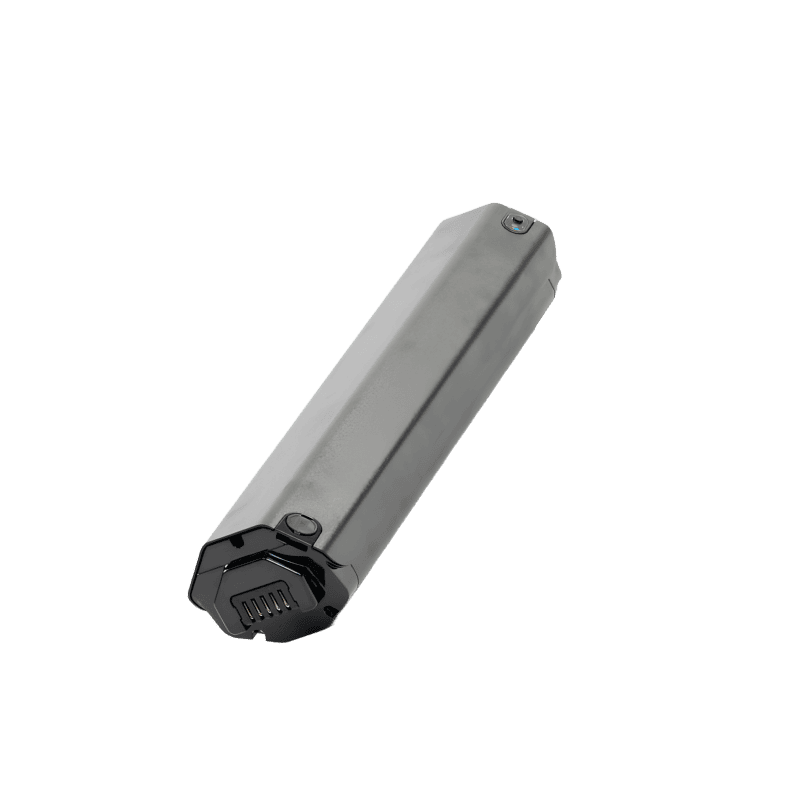
City riders prioritize quick charging, compact form factor, and enough energy to cover daily trips of 30–45 miles. The LEVIT I5 (17.5 Ah, 630 Wh) fits a 36 V system and offers a respectable energy density while staying within the size constraints of most commuter frames. Its integrated CAN bus communication simplifies diagnostics, reducing downtime for urban users. In stop‑and‑go traffic, the battery’s ability to deliver consistent power without noticeable voltage sag translates to smoother acceleration and reliable range estimates—key factors that often decide which model “won” the commuter test.
Long‑Distance Trail Riding – Apache Power I5 Evaluation
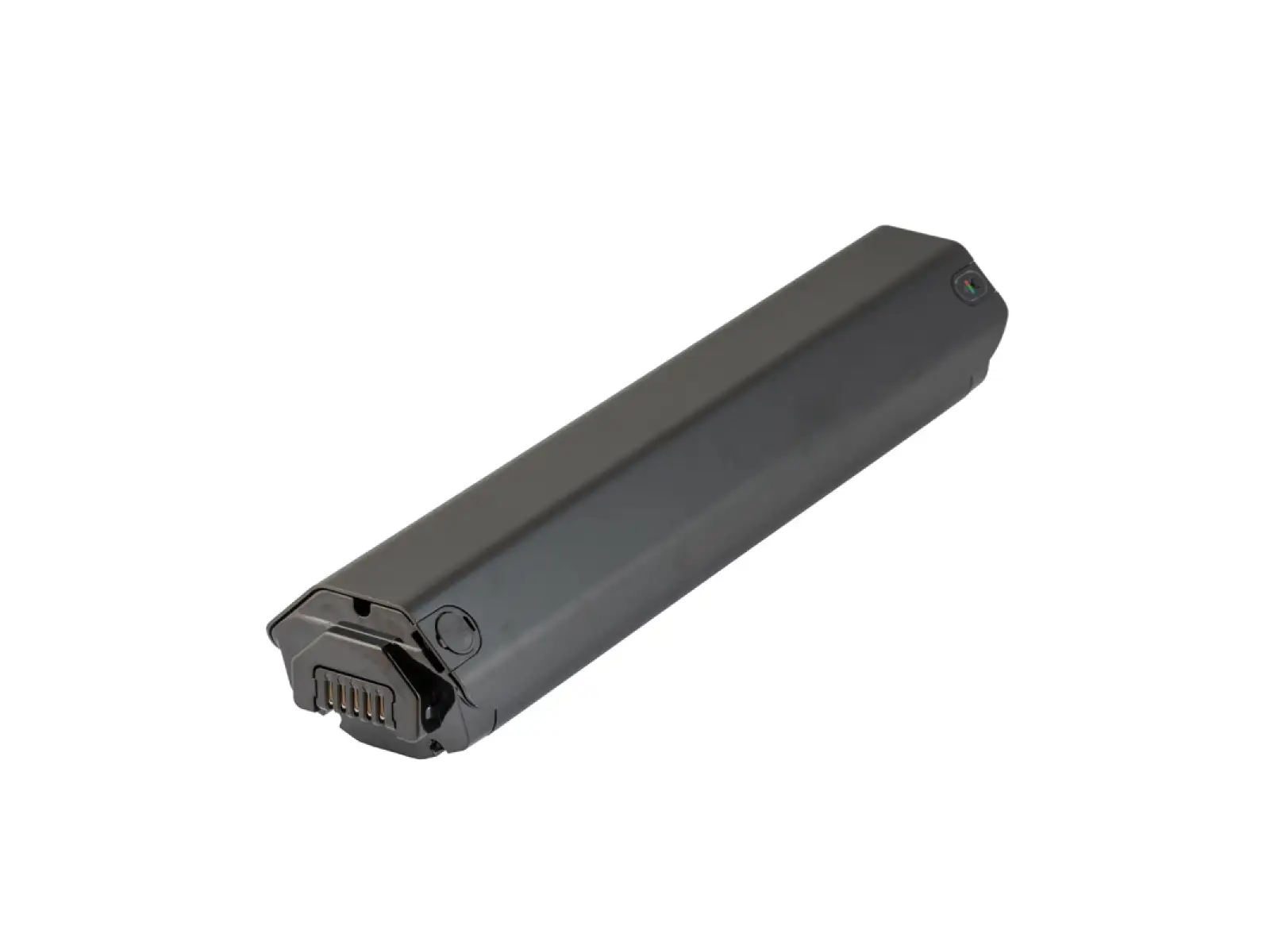
For off‑road enthusiasts, endurance and robust thermal management are decisive. The Apache Power I5 (13 Ah, 468 Wh) is integrated directly into the frame, providing a low center of gravity that improves handling on uneven terrain. Although its capacity is lower than the LEVIT, its proprietary cooling system maintains performance during steep climbs and prolonged descents, preventing the overheating that can cripple competing packs. Riders who logged 70+ miles on mixed trails reported a steadier power curve, indicating that in this rugged scenario the Apache model “won” the reliability contest.
Selection Criteria That Define the Winner
Choosing the right battery hinges on three measurable criteria:
- Energy density vs. weight: Higher watt‑hours per kilogram extend range without sacrificing maneuverability.
- Thermal stability: Batteries must stay within safe temperature limits during high‑load periods.
- System integration: Compatibility with the bike’s controller and diagnostic protocols reduces installation friction.
By scoring each model against these factors, the decision becomes data‑driven rather than opinion‑based, allowing riders to answer “who won” in the context of their own priorities.
Comparative Performance Metrics
Laboratory tests reveal subtle but meaningful differences:
- Discharge curve: The LEVIT maintains 95 % of its nominal voltage after the first 20 % of capacity is used, whereas the Apache drops to 92 % in the same interval, reflecting its higher initial power delivery.
- Charge time: With a 2 A charger, the LEVIT reaches 80 % in about 2.5 hours; the Apache, due to its integrated BMS, requires roughly 3 hours for the same level.
- Temperature rise: Under a simulated 500 W load, the LEVIT peaks at 45 °C, while the Apache stays under 38 °C, underscoring its superior thermal design for demanding trails.
Final Verdict: Context Determines Who Won
There is no universal champion; the winner emerges from the rider’s specific scenario. Urban commuters seeking quick recharge cycles and a higher nominal capacity will find the LEVIT I5 the clear victor. Conversely, mountain bikers who value thermal resilience and low‑center‑of‑gravity packaging will crown the Apache Power I5 as the winner. By aligning the selection criteria with real‑world use cases, the answer to “who won” becomes a personalized conclusion rather than a one‑size‑fits‑all statement.
