For college students aiming to excel in both conversation and academic writing, mastering "must have idiom building for college" isn't just about memorizing phrases—it’s about understanding how language structures like modal verbs shape meaning. While idioms offer vivid expression, their power often lies in foundational grammar, such as the precise use of "must" and "have to." This guide explores common pitfalls and smarter strategies to elevate your language fluency.
How Do Modal Verbs Form the Foundation of Idiomatic Expressions?
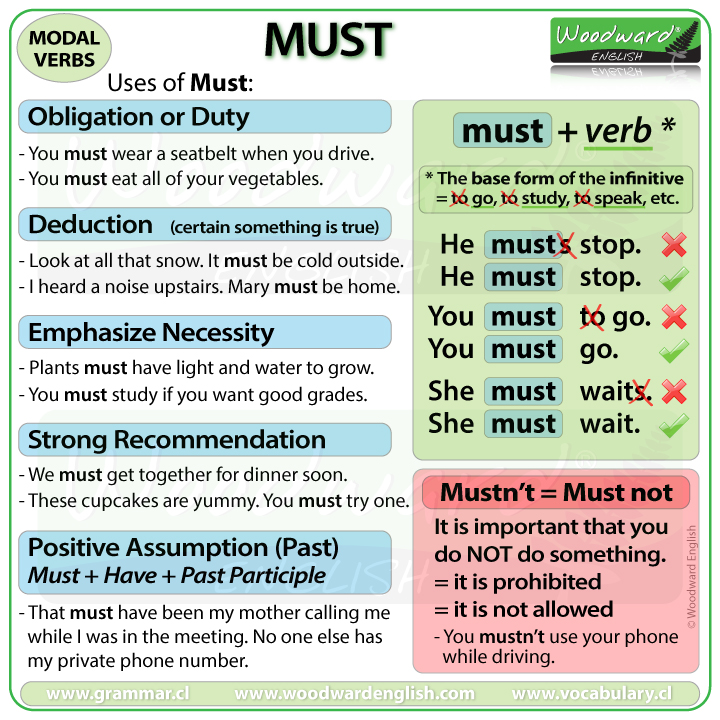
Modal verbs like "must," "can," "should," and "ought to" serve as the backbone of countless idioms. For instance, "must" conveys strong necessity, but it also appears in phrases like "must have been" (indicating a supposition about the past). Similarly, "have to" signals obligation but can morph into idiomatic expressions such as "have to do with"—linking unrelated topics. Understanding these nuances helps students avoid vague phrasing and build more dynamic idioms that resonate in both essays and debates. Without this groundwork, idioms remain superficial, limited to rote recall rather than purposeful creation.
What Common Mistakes Do Students Make When Mixing Modal Verbs and Idioms?
One frequent error is conflating "must" and "have to" in idiomatic contexts. While "must" suggests personal or logical necessity ("I must finish this paper"), "have to" reflects external obligation ("I have to attend the workshop"). This distinction becomes critical in idioms like "have to admit" versus "must admit," where tone and nuance shift subtly. Another pitfall is overcomplicating expressions—students might force "must have to" into sentences, creating awkward phrasing like "I must have to go"—blending modal layers unnecessarily. Recognizing when to stick with one modal verb, not both, prevents linguistic clutter.
Why Redundant "Must-Have" Phrases Can Weaken Academic Writing
In college, overused idioms like "must-have skills" or "must-read books" lack originality and clarity. For example, instead of writing "Effective time management is a must-have skill for success," consider "Effective time management is essential for success." Swapping "must-have" with "essential" or "critical" sharpens your argument and avoids clichés. Redundancy not only clouds meaning but also risks sounding unprofessional in formal contexts. Strive for precision: replace generic "must-haves" with specific, tailored descriptions that reflect your unique perspective.
Can Practice Help You Build Idioms Through Modal Verbs?

Yes—structured practice is key. Start by identifying how modals function in common idioms. For instance, note how "should" softens advice in phrases like "You should consider"—a subtle way to suggest without demanding. Pair this with exercises: rewrite weak sentences using stronger modal constructs or craft new idiomatic pairs by combining modals with concrete nouns (e.g., "need to prioritize" becomes "need-to prioritizes" *[intentional grammatical play]*). The visual guide in the image above breaks down these patterns visually, making it easier to grasp how modal verbs can be repurposed into fresh, context-appropriate idioms. Consistent practice turns theoretical knowledge into intuitive mastery.
For college students aiming to excel in both conversation and academic writing, mastering "must have idiom building for college" isn't just about memorizing phrases—it’s about understanding how language structures like modal verbs shape meaning. While idioms offer vivid expression, their power often lies in foundational grammar, such as the precise use of "must" and "have to." This guide explores common pitfalls and smarter strategies to elevate your language fluency.
How Do Modal Verbs Form the Foundation of Idiomatic Expressions?
Modal verbs like "must," "can," "should," and "ought to" serve as the backbone of countless idioms. For instance, "must" conveys strong necessity, but it also appears in phrases like "must have been" (indicating a supposition about the past). Similarly, "have to" signals obligation but can morph into idiomatic expressions such as "have to do with"—linking unrelated topics. Understanding these nuances helps students avoid vague phrasing and build more dynamic idioms that resonate in both essays and debates. Without this groundwork, idioms remain superficial, limited to rote recall rather than purposeful creation.
What Common Mistakes Do Students Make When Mixing Modal Verbs and Idioms?
One frequent error is conflating "must" and "have to" in idiomatic contexts. While "must" suggests personal or logical necessity ("I must finish this paper"), "have to" reflects external obligation ("I have to attend the workshop"). This distinction becomes critical in idioms like "have to admit" versus "must admit," where tone and nuance shift subtly. Another pitfall is overcomplicating expressions—students might force "must have to" into sentences, creating awkward phrasing like "I must have to go"—blending modal layers unnecessarily. Recognizing when to stick with one modal verb, not both, prevents linguistic clutter.
Why Redundant "Must-Have" Phrases Can Weaken Academic Writing
In college, overused idioms like "must-have skills" or "must-read books" lack originality and clarity. For example, instead of writing "Effective time management is a must-have skill for success," consider "Effective time management is essential for success." Swapping "must-have" with "essential" or "critical" sharpens your argument and avoids clichés. Redundancy not only clouds meaning but also risks sounding unprofessional in formal contexts. Strive for precision: replace generic "must-haves" with specific, tailored descriptions that reflect your unique perspective.
Can Practice Help You Build Idioms Through Modal Verbs?
Yes—structured practice is key. Start by identifying how modals function in common idioms. For instance, note how "should" softens advice in phrases like "You should consider"—a subtle way to suggest without demanding. Pair this with exercises: rewrite weak sentences using stronger modal constructs or craft new idiomatic pairs by combining modals with concrete nouns (e.g., "need to prioritize" becomes "need-to prioritizes" *[intentional grammatical play]*). The visual guide in the image above breaks down these patterns visually, making it easier to grasp how modal verbs can be repurposed into fresh, context-appropriate idioms. Consistent practice turns theoretical knowledge into intuitive mastery.
