Understanding common idioms for students isn’t just about memorizing phrases—it’s about unlocking shortcuts to express complex ideas in a relatable way. Whether you’re writing an essay, collaborating on a project, or navigating social settings, these idiomatic expressions can help you sound more fluent and confident. Below, we’ll explore how specific idioms can enhance communication, along with practical examples to make them stick.
Idioms for Academic Push and Perseverance

Academic life requires grit, and idioms like hit the books (to study intensively) or bury oneself in work (to work obsessively) mirror this journey. For instance, a student might say, I had to hit the books all weekend for my biology exam, or she’s burying herself in research to finish her thesis. These phrases convey dedication without sounding cliché. Even artists like Common, who balances music and advocacy, use such metaphors to describe their commitment, making them timeless for students aiming to sharpen focus.
Idioms for Social Awareness and Advocacy
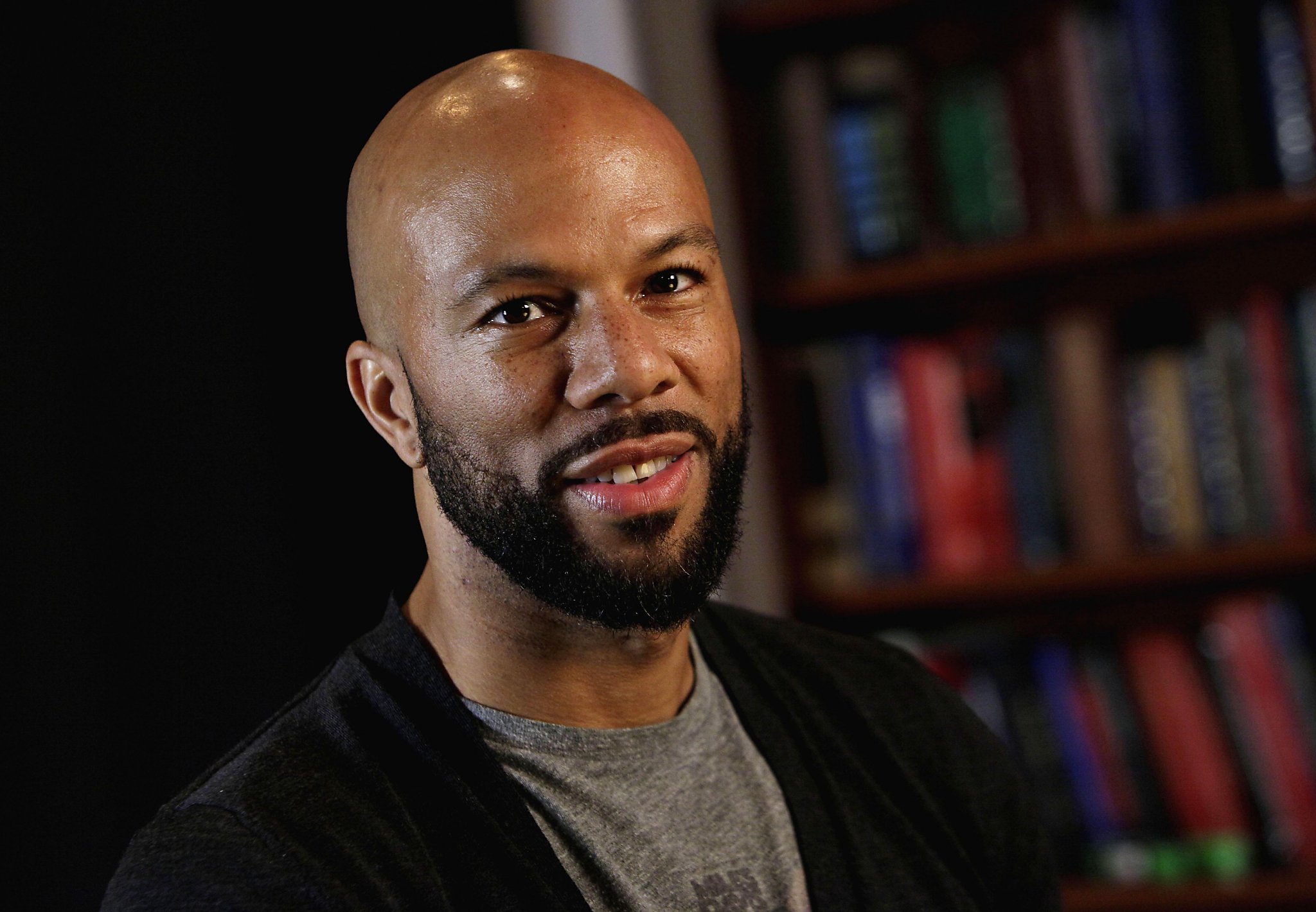
Student life often intersects with social issues. When navigating group projects or expressing opinions, idioms like stand up for something or speak up are powerful. For example, we need to stand up for what’s right, even if it’s hard applies to debates on campus equality or environmental activism. The image of rapper Common lobbying for juvenile justice reform underscores how idioms tied to advocacy can inspire action. Students can use phrases like the pen is mightier than the sword (ideas matter more than force) to frame discussions constructively.
Confidence Builders for Public Speaking
When presenting in class or leading a club, idioms help project authority. Try own the room (to dominate an audience respectfully) or let my words do the talking (to let actions speak louder than talk). For instance, a student might say I’m going to own the room during my history presentation to signal preparation. Alternatively, let my work ethic speak for itself proves competence without boasting. These phrases build self-assurance while keeping communication natural.
Stress Management Through Language
College and high school bring pressure, but idioms can ease tension. Use bite the bullet (face something unpleasant calmly) to describe tackling a tough assignment or piece of cake (something effortless) to celebrate a mastered topic. Example: Finally, I bit the bullet and turned in that 20-page paper—it felt like a piece of cake afterward. Sharing such phrases with peers can normalize stress while reinforcing resilience.
Summary: Idioms as Daily Communication Tools
-
Academic success: hit the books, bury oneself in work
Social action: stand up for something, pen is mightier than the sword
Confidence: own the room, let my words do the talking
Stress relief: bite the bullet, piece of cake
By weaving these idioms into daily conversations, students gain expressive power and cultural fluency. They’re not just phrases—they’re tools for navigating challenges with creativity and clarity. Practice them in writing and speaking, and watch your communication skills soar.
Understanding common idioms for students isn’t just about memorizing phrases—it’s about unlocking shortcuts to express complex ideas in a relatable way. Whether you’re writing an essay, collaborating on a project, or navigating social settings, these idiomatic expressions can help you sound more fluent and confident. Below, we’ll explore how specific idioms can enhance communication, along with practical examples to make them stick.
Idioms for Academic Push and Perseverance
Academic life requires grit, and idioms like hit the books (to study intensively) or bury oneself in work (to work obsessively) mirror this journey. For instance, a student might say, I had to hit the books all weekend for my biology exam, or she’s burying herself in research to finish her thesis. These phrases convey dedication without sounding cliché. Even artists like Common, who balances music and advocacy, use such metaphors to describe their commitment, making them timeless for students aiming to sharpen focus.
Idioms for Social Awareness and Advocacy
Student life often intersects with social issues. When navigating group projects or expressing opinions, idioms like stand up for something or speak up are powerful. For example, we need to stand up for what’s right, even if it’s hard applies to debates on campus equality or environmental activism. The image of rapper Common lobbying for juvenile justice reform underscores how idioms tied to advocacy can inspire action. Students can use phrases like the pen is mightier than the sword (ideas matter more than force) to frame discussions constructively.
Confidence Builders for Public Speaking
When presenting in class or leading a club, idioms help project authority. Try own the room (to dominate an audience respectfully) or let my words do the talking (to let actions speak louder than talk). For instance, a student might say I’m going to own the room during my history presentation to signal preparation. Alternatively, let my work ethic speak for itself proves competence without boasting. These phrases build self-assurance while keeping communication natural.
Stress Management Through Language
College and high school bring pressure, but idioms can ease tension. Use bite the bullet (face something unpleasant calmly) to describe tackling a tough assignment or piece of cake (something effortless) to celebrate a mastered topic. Example: Finally, I bit the bullet and turned in that 20-page paper—it felt like a piece of cake afterward. Sharing such phrases with peers can normalize stress while reinforcing resilience.
Summary: Idioms as Daily Communication Tools
-
Academic success: hit the books, bury oneself in work
Social action: stand up for something, pen is mightier than the sword
Confidence: own the room, let my words do the talking
Stress relief: bite the bullet, piece of cake
By weaving these idioms into daily conversations, students gain expressive power and cultural fluency. They’re not just phrases—they’re tools for navigating challenges with creativity and clarity. Practice them in writing and speaking, and watch your communication skills soar.
