When the news breaks that Antonio Brown was arrested, the public reaction is usually a mix of shock and a sense of "here we go again." For the average person watching from the sidelines, these headlines feel like distant celebrity drama. However, if you look closer at the cycle of legal trouble surrounding high-profile figures, there is a pattern of avoidable mistakes. Most people aren't NFL stars, but the way someone handles a confrontation with authority or manages a personal crisis can be the difference between a slap on the wrist and a permanent record.
The Instinct vs. The Strategy
Many people make the mistake of reacting emotionally during a police encounter. In several instances where figures like Antonio Brown have faced legal scrutiny, the "fight" response takes over. The common mistake here is believing that status or loudness can negotiate a way out of a situation in real-time. This often escalates a simple misunderstanding into a resisting arrest charge.
A smarter alternative is the "de-escalation mindset." Instead of arguing the facts of the case on the sidewalk—which is rarely successful—the goal should be to move the conversation to a controlled environment, like a courtroom or a lawyer's office. Remaining calm and compliant doesn't mean admitting guilt; it means protecting your future self from additional charges that have nothing to do with the original incident.
Tracking the Downward Spiral
When we look at a series of legal mishaps, it often looks like a waterfall effect: one bad decision leads to another, and the momentum becomes hard to stop. Understanding how these events stack up can help anyone recognize when their own life is heading in a risky direction.
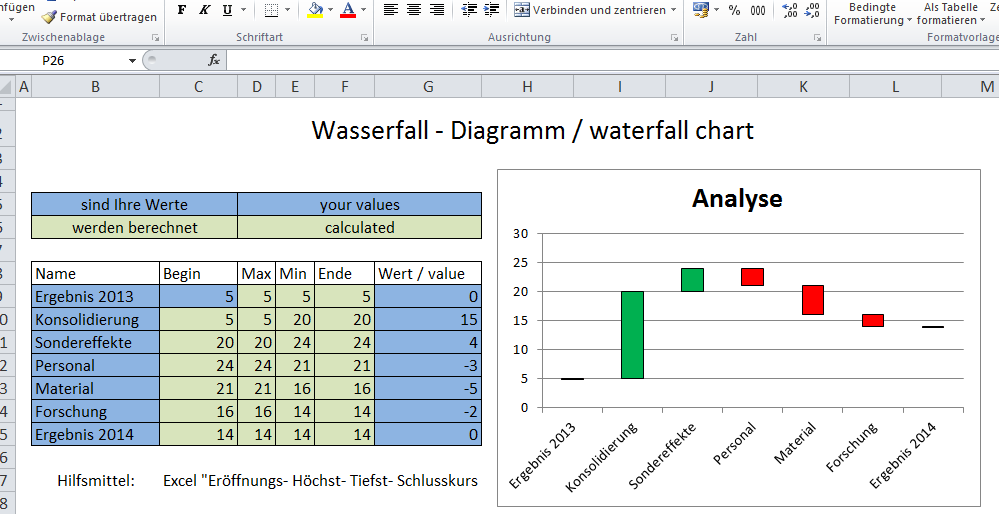
While the image above represents a technical waterfall chart, the concept applies perfectly to legal turmoil. Imagine each "drop" as a new incident—a missed court date, a public outburst, or a new accusation. For someone in the public eye, these aren't just isolated events; they are cumulative. The smarter approach is to implement a "circuit breaker"—a period of total withdrawal from triggers and the immediate employment of a crisis management team before the waterfall hits the bottom.
Common Legal Pitfalls and Better Paths
Watching the chaos following a "Antonio Brown arrested" headline reveals a few recurring errors that everyday citizens should avoid:
- Posting on Social Media: The biggest mistake is the "digital confession." Many people try to clear their name on X (formerly Twitter) or Instagram while still under investigation. Better alternative: Total digital silence until your attorney gives the green light.
- Ignoring Pre-Trial Requirements: Missing a hearing or violating a bond condition often turns a misdemeanor into a much larger problem. Better alternative: Using digital calendars and professional reminders to ensure every legal obligation is met.
- Assuming "Connections" Solve Everything: Relying on who you know rather than the law often leads to complacency. Better alternative: Hiring a specialist who understands the specific jurisdiction of the arrest.
The Long-Term Cost of Reputation Damage
Beyond the handcuffs and the court dates, there is the invisible cost: the brand. For a professional athlete, an arrest isn't just a legal hurdle; it's a loss of endorsement and trust. For a regular person, this manifests as difficulty finding employment or strained family relationships.
The alternative to this trajectory is proactive accountability. Instead of deflective language, taking genuine responsibility and seeking professional help—whether for anger management or mental health—is the only way to stop the cycle. The goal shouldn't just be to "get off" the charges, but to fix the behavior that led to the arrest in the first place.
