As a clinician, teacher, or caregiver, understanding how to identify and support individuals with Attention‑Deficit/Hyperactivity Disorder (ADHD) can transform outcomes. This step‑by‑step guide walks you through the essentials of ADHD training for professionals, offering concrete tools and real‑world examples to make the information actionable.
Know the Core Symptoms—What to Look For
ADHD manifests primarily through inattention, hyperactivity, and impulsivity. In a clinical setting, look for patterns such as frequent forgetfulness, difficulty staying on task, restlessness, or speaking out of turn. In schools, these behaviors might surface as incomplete homework, disorganized notes, or excessive movement in the classroom. Recognizing these signs early allows you to intervene before challenges become entrenched.
Apply Evidence‑Based Screening Tools
Use validated checklists and rating scales to quantify behaviors. The Vanderbilt Assessment Scales and the Conners Comprehensive Behavior Rating Scales are widely endorsed and can be completed by parents, teachers, and the individual. When you have a score that crosses a clinical threshold, it’s time to move beyond observation and consider a formal evaluation.
Design Structured Routines That Reduce Distractions
For both students and clients, a predictable routine lowers anxiety and boosts focus. Start each session or lesson with a clear agenda posted on a whiteboard or shared digitally. Break tasks into bite‑size segments—use the “5‑minute rule”: set a timer for five minutes of focused work, then allow a short break. This technique not only aligns with ADHD brain patterns but also encourages a sense of accomplishment.
Leverage Visual Supports and Hands‑On Activities
Visual aids help translate abstract concepts into concrete actions. Use color‑coded charts, flow diagrams, or graphic organizers to outline steps. For instance, a “task roadmap” with icons for each phase—“Plan,” “Execute,” “Review”—can serve as a visual cue for students to self‑monitor progress. Interactive activities, such as role‑play scenarios for impulse control, give learners practical experience in a low‑stakes environment.
Implement Positive Behavioral Interventions
Reinforcement works wonders with ADHD. Set up a token system where individuals earn points for meeting micro‑goals—staying seated for ten minutes or completing a worksheet. Exchange tokens for a preferred activity or small reward. This tangible feedback loop builds motivation while reinforcing desirable behaviors.
Collaborate Across Sectors for Consistent Support
ADHD doesn’t exist in isolation; it spans home, school, and therapy settings. Establish regular communication channels—weekly check‑ins, shared digital dashboards, or joint planning meetings—so everyone is aligned on strategies and progress. Consistency across environments reduces confusion and reinforces skill transfer.
Stay Updated with Emerging Research
The field of ADHD is evolving rapidly. Subscribe to professional journals, attend webinars, and participate in local support groups to stay informed about new interventions, medication updates, and policy changes. Continuous learning ensures that your practice remains evidence‑based and responsive to client needs.
Practical Take‑away: Your Immediate Action Plan
- Screen: Use a brief rating scale within the next week.
- Plan: Create a visual task roadmap for your next session.
- Reinforce: Introduce a token system by the end of the month.
- Connect: Set up a tri‑way communication plan with parents or caregivers.
- Refresh: Schedule a 30‑minute webinar on ADHD interventions for the next quarter.
By embedding these steps into your routine, you’ll equip yourself to provide meaningful, evidence‑based support for those with ADHD. The journey starts with observation, but it culminates in a collaborative, structured approach that empowers individuals to thrive.
Visual Guide: ADHD Overview
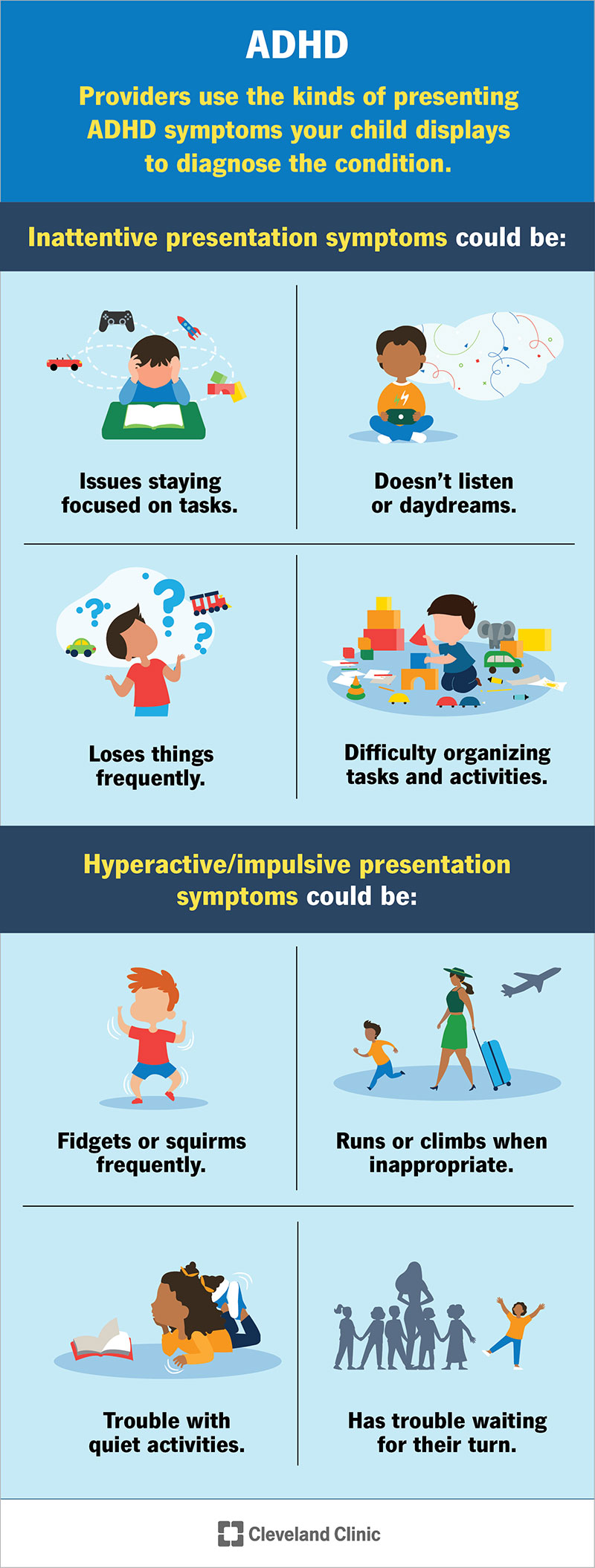
This image highlights typical ADHD behaviors—difficulty focusing, restlessness, and impulsivity—providing a quick reference for professionals to recognize patterns at a glance. Use it as a visual cue during team meetings or parent briefings to reinforce key points.
As a clinician, teacher, or caregiver, understanding how to identify and support individuals with Attention‑Deficit/Hyperactivity Disorder (ADHD) can transform outcomes. This step‑by‑step guide walks you through the essentials of ADHD training for professionals, offering concrete tools and real‑world examples to make the information actionable.
Know the Core Symptoms—What to Look For
ADHD manifests primarily through inattention, hyperactivity, and impulsivity. In a clinical setting, look for patterns such as frequent forgetfulness, difficulty staying on task, restlessness, or speaking out of turn. In schools, these behaviors might surface as incomplete homework, disorganized notes, or excessive movement in the classroom. Recognizing these signs early allows you to intervene before challenges become entrenched.
Apply Evidence‑Based Screening Tools
Use validated checklists and rating scales to quantify behaviors. The Vanderbilt Assessment Scales and the Conners Comprehensive Behavior Rating Scales are widely endorsed and can be completed by parents, teachers, and the individual. When you have a score that crosses a clinical threshold, it’s time to move beyond observation and consider a formal evaluation.
Design Structured Routines That Reduce Distractions
For both students and clients, a predictable routine lowers anxiety and boosts focus. Start each session or lesson with a clear agenda posted on a whiteboard or shared digitally. Break tasks into bite‑size segments—use the “5‑minute rule”: set a timer for five minutes of focused work, then allow a short break. This technique not only aligns with ADHD brain patterns but also encourages a sense of accomplishment.
Leverage Visual Supports and Hands‑On Activities
Visual aids help translate abstract concepts into concrete actions. Use color‑coded charts, flow diagrams, or graphic organizers to outline steps. For instance, a “task roadmap” with icons for each phase—“Plan,” “Execute,” “Review”—can serve as a visual cue for students to self‑monitor progress. Interactive activities, such as role‑play scenarios for impulse control, give learners practical experience in a low‑stakes environment.
Implement Positive Behavioral Interventions
Reinforcement works wonders with ADHD. Set up a token system where individuals earn points for meeting micro‑goals—staying seated for ten minutes or completing a worksheet. Exchange tokens for a preferred activity or small reward. This tangible feedback loop builds motivation while reinforcing desirable behaviors.
Collaborate Across Sectors for Consistent Support
ADHD doesn’t exist in isolation; it spans home, school, and therapy settings. Establish regular communication channels—weekly check‑ins, shared digital dashboards, or joint planning meetings—so everyone is aligned on strategies and progress. Consistency across environments reduces confusion and reinforces skill transfer.
Stay Updated with Emerging Research
The field of ADHD is evolving rapidly. Subscribe to professional journals, attend webinars, and participate in local support groups to stay informed about new interventions, medication updates, and policy changes. Continuous learning ensures that your practice remains evidence‑based and responsive to client needs.
Practical Take‑away: Your Immediate Action Plan
- Screen: Use a brief rating scale within the next week.
- Plan: Create a visual task roadmap for your next session.
- Reinforce: Introduce a token system by the end of the month.
- Connect: Set up a tri‑way communication plan with parents or caregivers.
- Refresh: Schedule a 30‑minute webinar on ADHD interventions for the next quarter.
By embedding these steps into your routine, you’ll equip yourself to provide meaningful, evidence‑based support for those with ADHD. The journey starts with observation, but it culminates in a collaborative, structured approach that empowers individuals to thrive.
Visual Guide: ADHD Overview
This image highlights typical ADHD behaviors—difficulty focusing, restlessness, and impulsivity—providing a quick reference for professionals to recognize patterns at a glance. Use it as a visual cue during team meetings or parent briefings to reinforce key points.
