Choosing the right ADHD assessment training course can transform a clinician’s practice, ensuring accurate diagnoses and effective treatment plans. This guide walks you through the discovery process—identifying needs, evaluating options, and applying what you learn to real‑world cases—so you can make a confident, value‑based decision.
Spotting the Gap: Why a Structured Training Matters
In today’s fast‑paced healthcare environment, a lack of standardized assessment methods often leads to inconsistent diagnoses. Without formal training, clinicians may rely on intuition or outdated checklists, risking misdiagnosis or missed opportunities for early intervention. A structured course equips you with evidence‑based tools, standardized rating scales, and interview techniques that reduce diagnostic error and improve patient outcomes.
Key Features to Compare in a Course
Not all ADHD assessment programs are created equal. Focus on these core attributes:
- Curriculum depth – Does it cover neuropsychological testing, behavioral rating scales, and differential diagnosis?
- Practical application – Are there case studies, live observations, or supervised practice sessions?
- Accreditation – Is the program recognized by professional bodies like the American Academy of Child & Adolescent Psychiatry?
- Continuing education credits – Will the course contribute to your licensure requirements?
- Instructor expertise – Are the faculty clinicians with a track record in ADHD research or clinical practice?
- Learning format – Online self‑paced modules, live webinars, or in‑person workshops? Consider your schedule and learning style.
Hands‑On Learning: The Value of Real‑World Cases
A course that blends theory with practice lets you apply concepts immediately. Look for modules that include video recordings of patient interviews, mock assessments, and feedback from peers or supervisors. This experiential component solidifies skills and boosts confidence when you encounter complex presentations—such as co‑occurring anxiety or learning disabilities—on the job.
Assessing Cost versus Return on Investment
While pricing varies, treat the cost as an investment in your professional growth and patient care. Consider the following when budgeting:
- Will the course enable you to bill for assessment services that were previously unavailable?
- Can you reduce referral traffic to specialists, saving patients time and money?
- Will enhanced assessment accuracy decrease long‑term treatment costs by avoiding ineffective interventions?
Some programs offer scholarships, sliding scales, or employer reimbursement options—don’t overlook these avenues.
Image: Understanding the Causes of ADHD
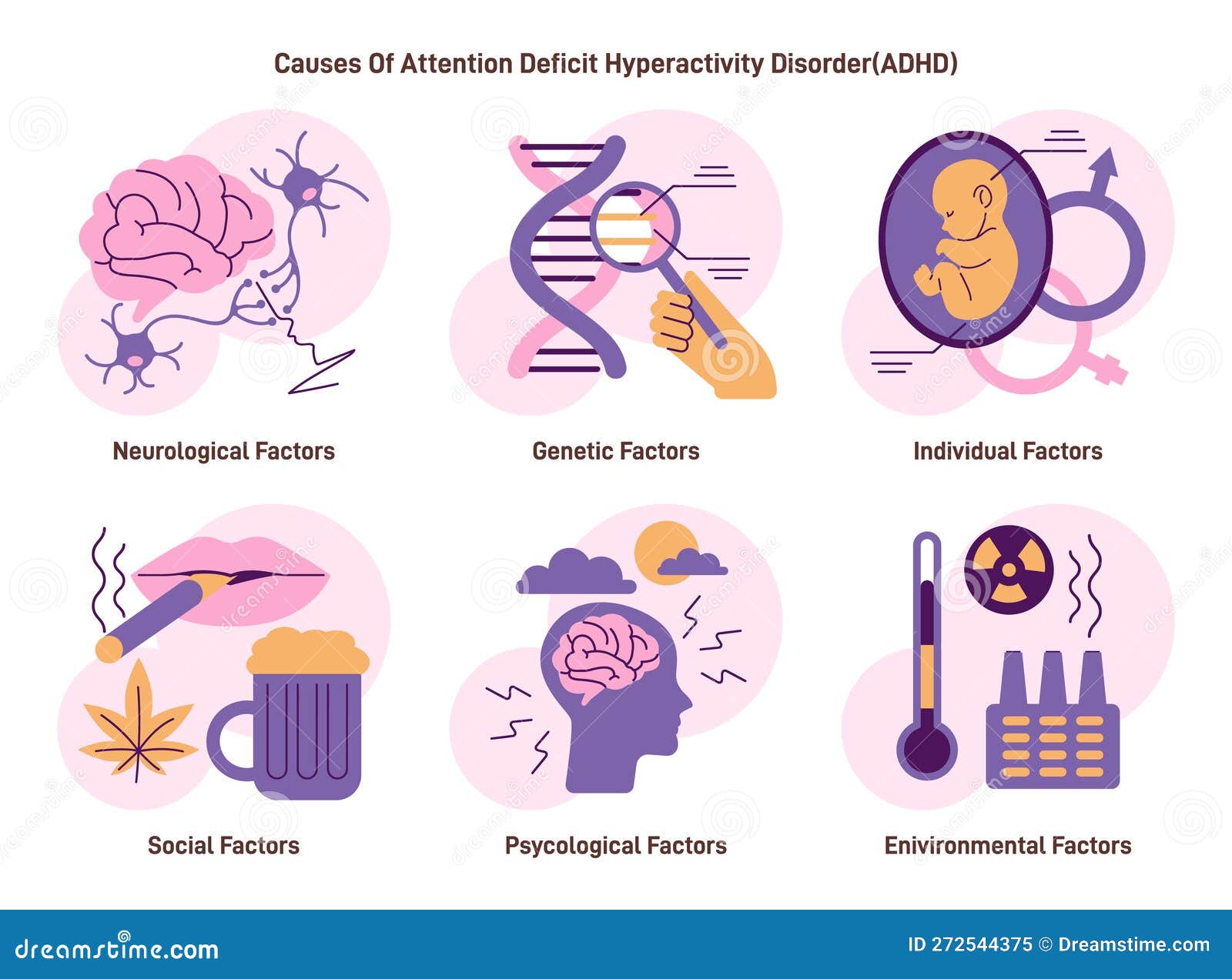
The graphic above illustrates the multifactorial origins of ADHD—neural, genetic, environmental, and social. Recognizing these layers helps you interpret assessment findings accurately, tailoring interventions that address both symptoms and underlying causes.
Integrating New Skills into Your Practice
Once you complete a course, the real work begins: embedding the new techniques into everyday practice. Start by selecting one patient per week to apply the full assessment protocol. Document your process, review the outcomes, and adjust as needed. Sharing these cases with peers can spark collaborative learning and reinforce best practices.
Continuing the Learning Loop
ADHD research evolves rapidly. Maintain your edge by subscribing to specialty journals, attending annual conferences, and participating in peer‑reviewed discussion groups. Many training providers offer refresher modules or advanced workshops to deepen your expertise and stay aligned with the latest diagnostic criteria.
Choosing an ADHD assessment training course isn’t just about gaining new skills—it’s about elevating the quality of care you deliver. By evaluating programs thoughtfully, focusing on hands‑on application, and committing to ongoing learning, you can transform assessment from a routine task into a cornerstone of effective, personalized treatment.
Choosing the right ADHD assessment training course can transform a clinician’s practice, ensuring accurate diagnoses and effective treatment plans. This guide walks you through the discovery process—identifying needs, evaluating options, and applying what you learn to real‑world cases—so you can make a confident, value‑based decision.
Spotting the Gap: Why a Structured Training Matters
In today’s fast‑paced healthcare environment, a lack of standardized assessment methods often leads to inconsistent diagnoses. Without formal training, clinicians may rely on intuition or outdated checklists, risking misdiagnosis or missed opportunities for early intervention. A structured course equips you with evidence‑based tools, standardized rating scales, and interview techniques that reduce diagnostic error and improve patient outcomes.
Key Features to Compare in a Course
Not all ADHD assessment programs are created equal. Focus on these core attributes:
- Curriculum depth – Does it cover neuropsychological testing, behavioral rating scales, and differential diagnosis?
- Practical application – Are there case studies, live observations, or supervised practice sessions?
- Accreditation – Is the program recognized by professional bodies like the American Academy of Child & Adolescent Psychiatry?
- Continuing education credits – Will the course contribute to your licensure requirements?
- Instructor expertise – Are the faculty clinicians with a track record in ADHD research or clinical practice?
- Learning format – Online self‑paced modules, live webinars, or in‑person workshops? Consider your schedule and learning style.
Hands‑On Learning: The Value of Real‑World Cases
A course that blends theory with practice lets you apply concepts immediately. Look for modules that include video recordings of patient interviews, mock assessments, and feedback from peers or supervisors. This experiential component solidifies skills and boosts confidence when you encounter complex presentations—such as co‑occurring anxiety or learning disabilities—on the job.
Assessing Cost versus Return on Investment
While pricing varies, treat the cost as an investment in your professional growth and patient care. Consider the following when budgeting:
- Will the course enable you to bill for assessment services that were previously unavailable?
- Can you reduce referral traffic to specialists, saving patients time and money?
- Will enhanced assessment accuracy decrease long‑term treatment costs by avoiding ineffective interventions?
Some programs offer scholarships, sliding scales, or employer reimbursement options—don’t overlook these avenues.
Image: Understanding the Causes of ADHD
The graphic above illustrates the multifactorial origins of ADHD—neural, genetic, environmental, and social. Recognizing these layers helps you interpret assessment findings accurately, tailoring interventions that address both symptoms and underlying causes.
Integrating New Skills into Your Practice
Once you complete a course, the real work begins: embedding the new techniques into everyday practice. Start by selecting one patient per week to apply the full assessment protocol. Document your process, review the outcomes, and adjust as needed. Sharing these cases with peers can spark collaborative learning and reinforce best practices.
Continuing the Learning Loop
ADHD research evolves rapidly. Maintain your edge by subscribing to specialty journals, attending annual conferences, and participating in peer‑reviewed discussion groups. Many training providers offer refresher modules or advanced workshops to deepen your expertise and stay aligned with the latest diagnostic criteria.
Choosing an ADHD assessment training course isn’t just about gaining new skills—it’s about elevating the quality of care you deliver. By evaluating programs thoughtfully, focusing on hands‑on application, and committing to ongoing learning, you can transform assessment from a routine task into a cornerstone of effective, personalized treatment.
